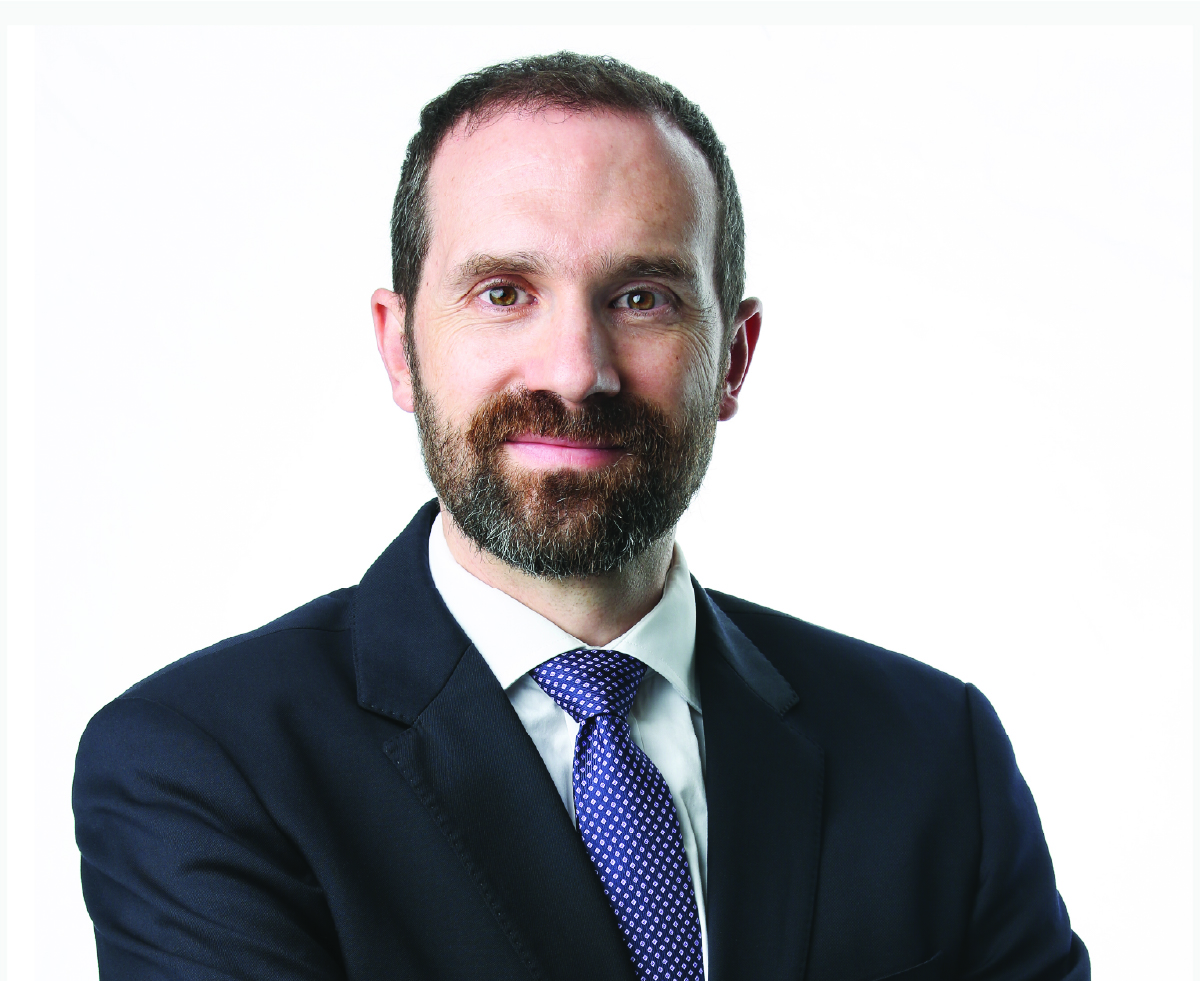
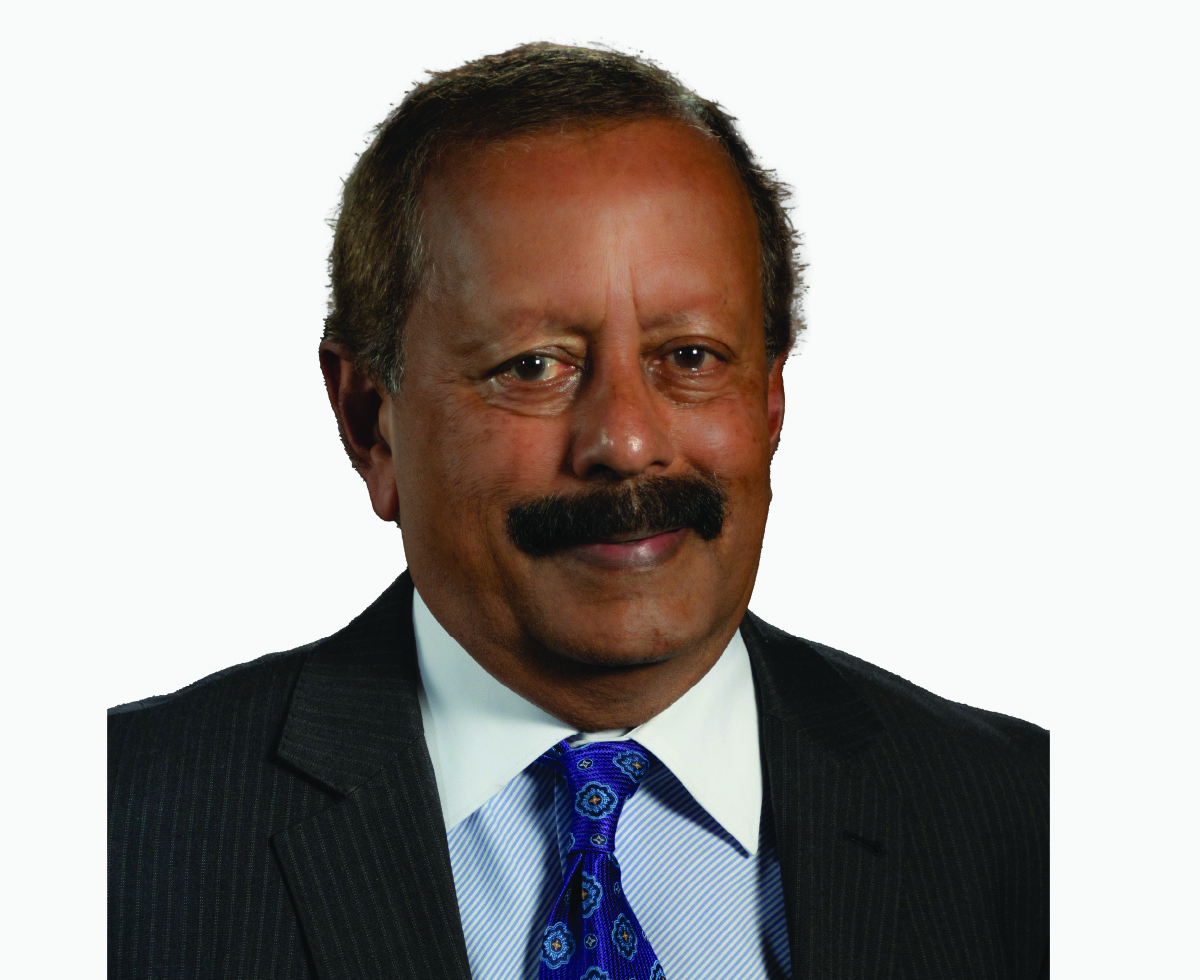
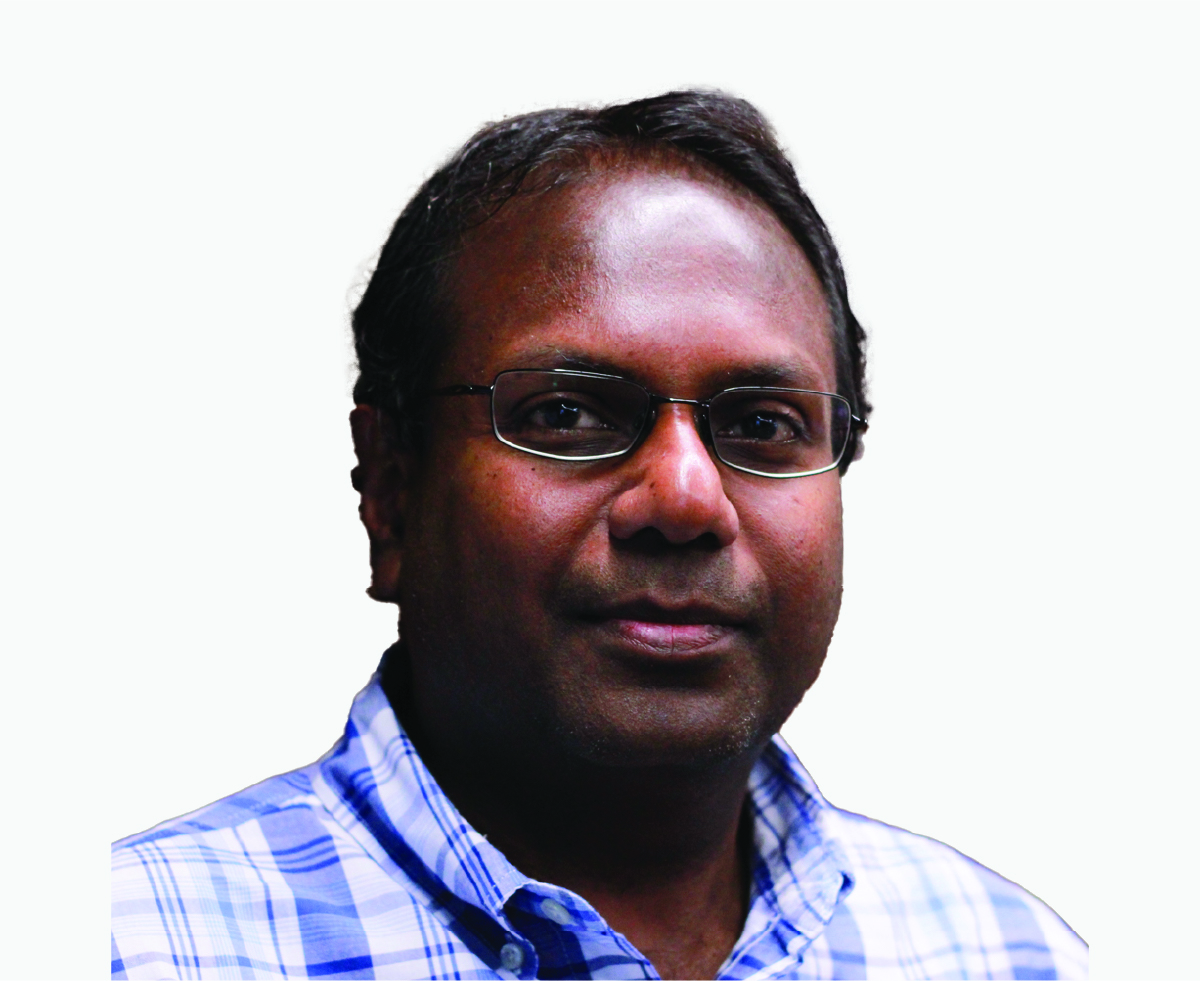
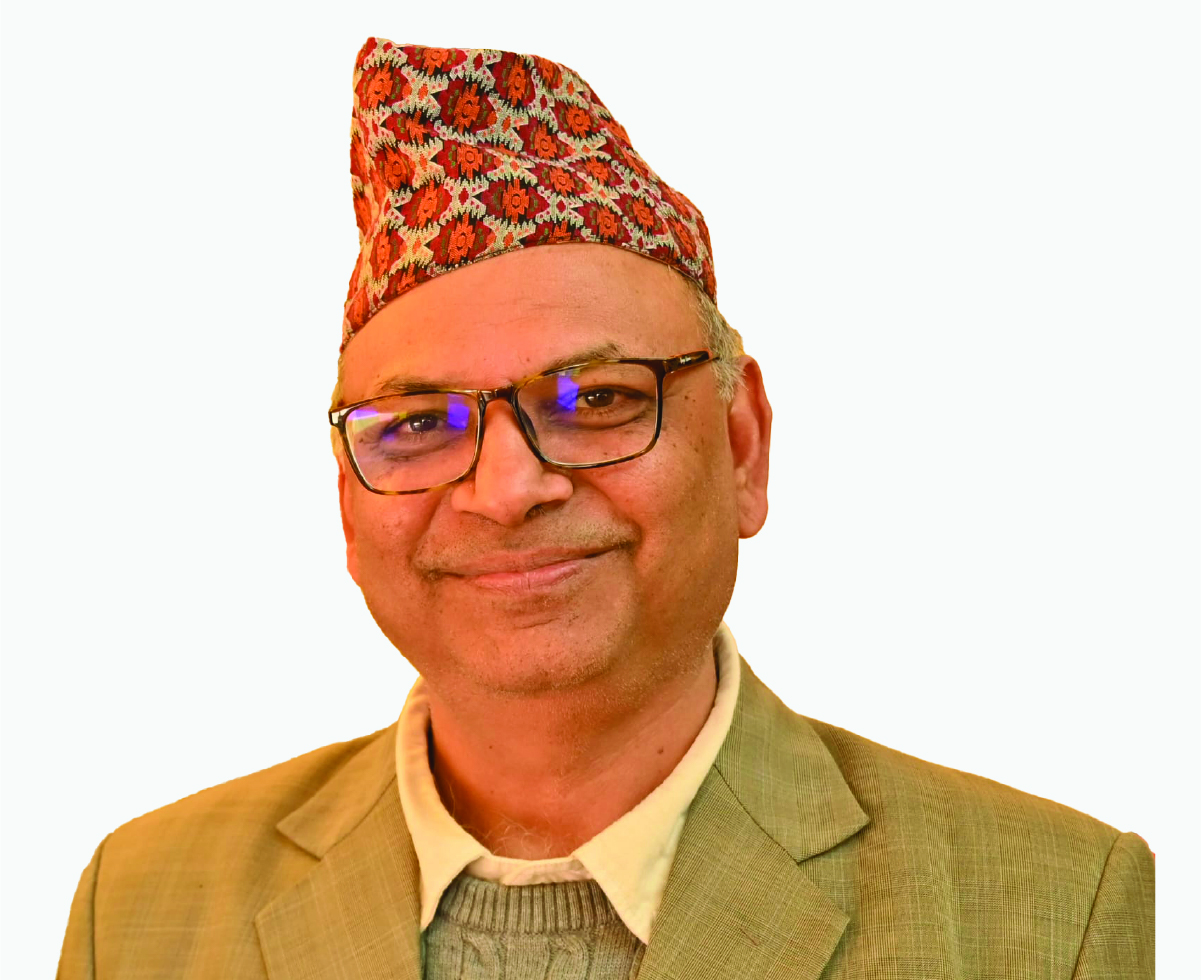
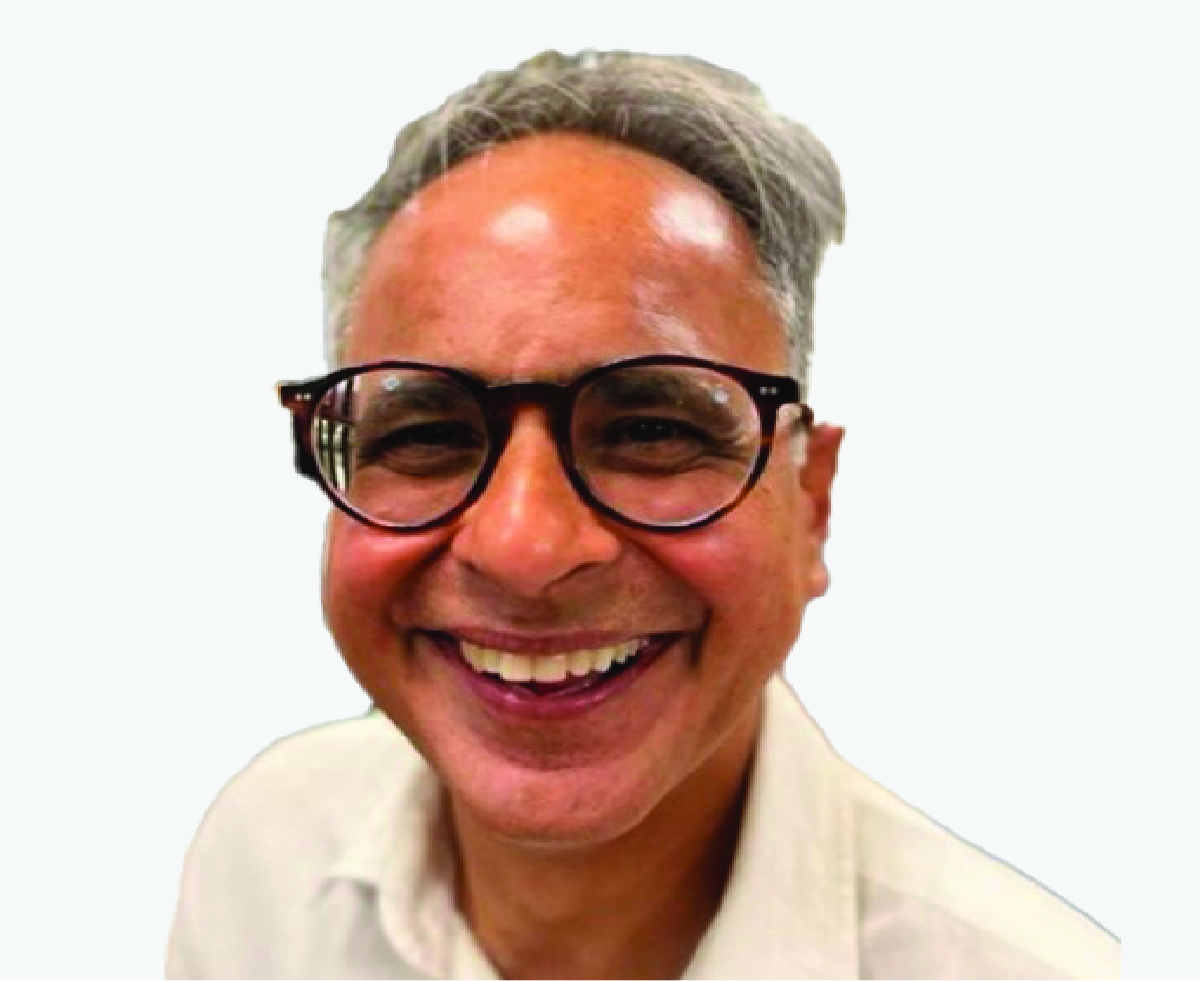
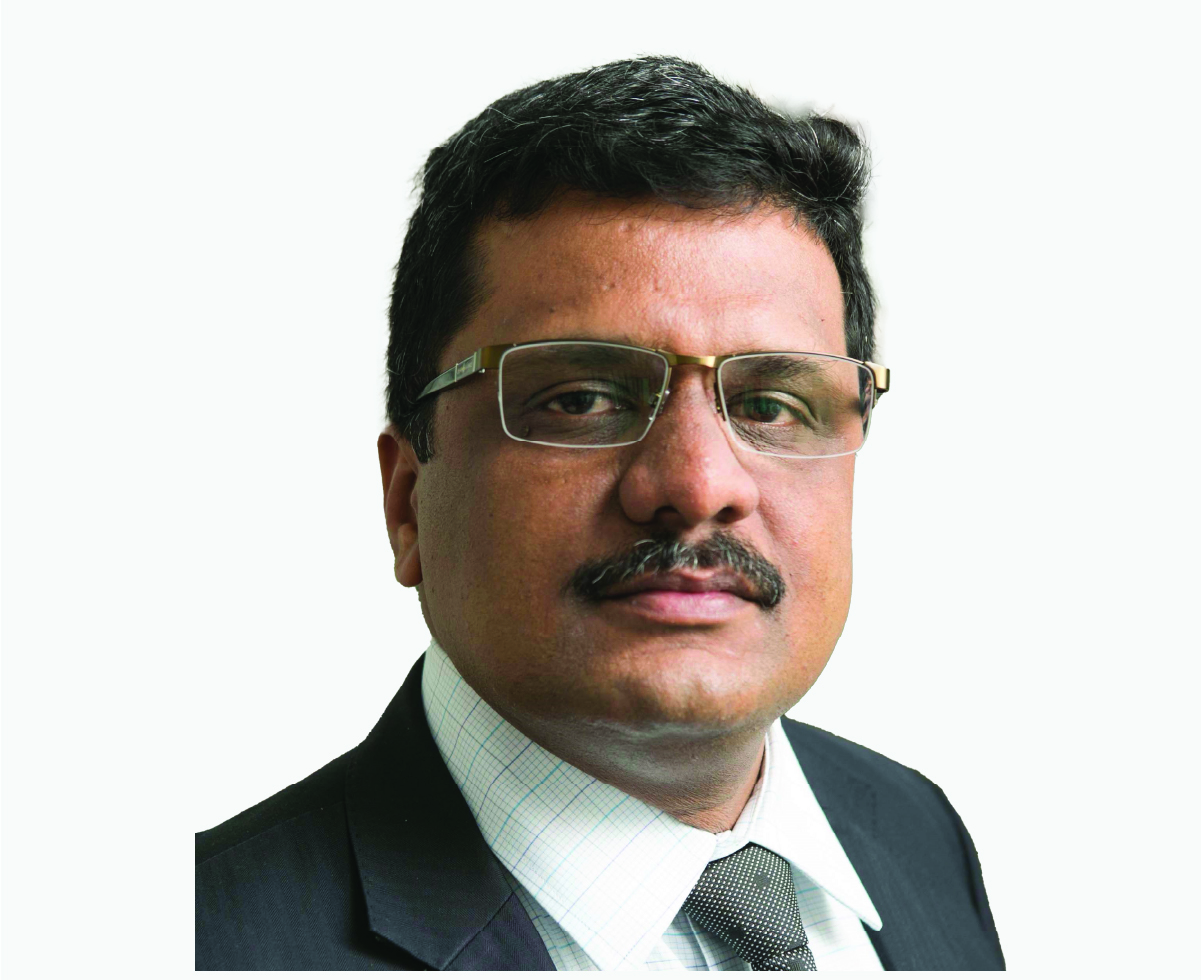
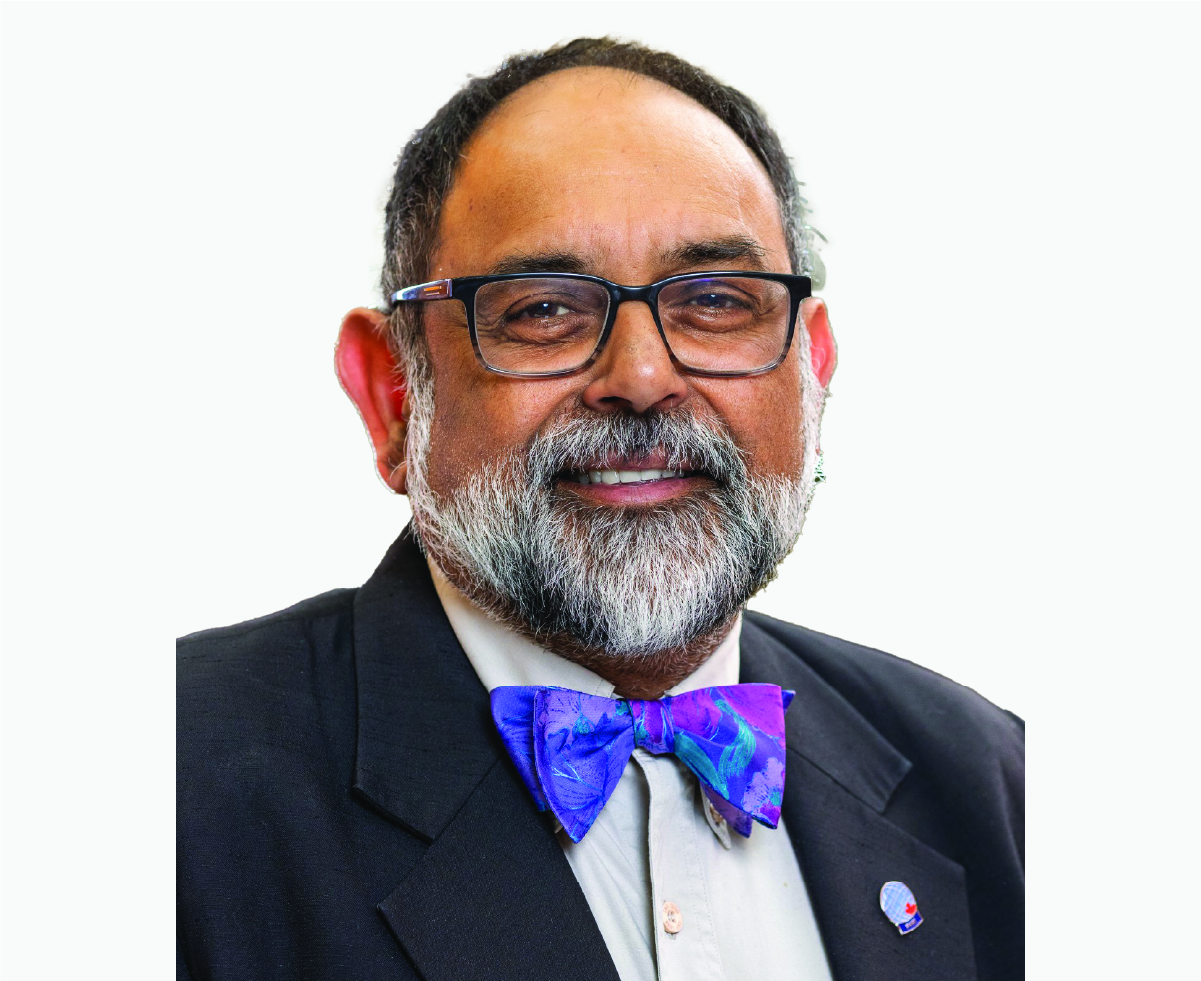
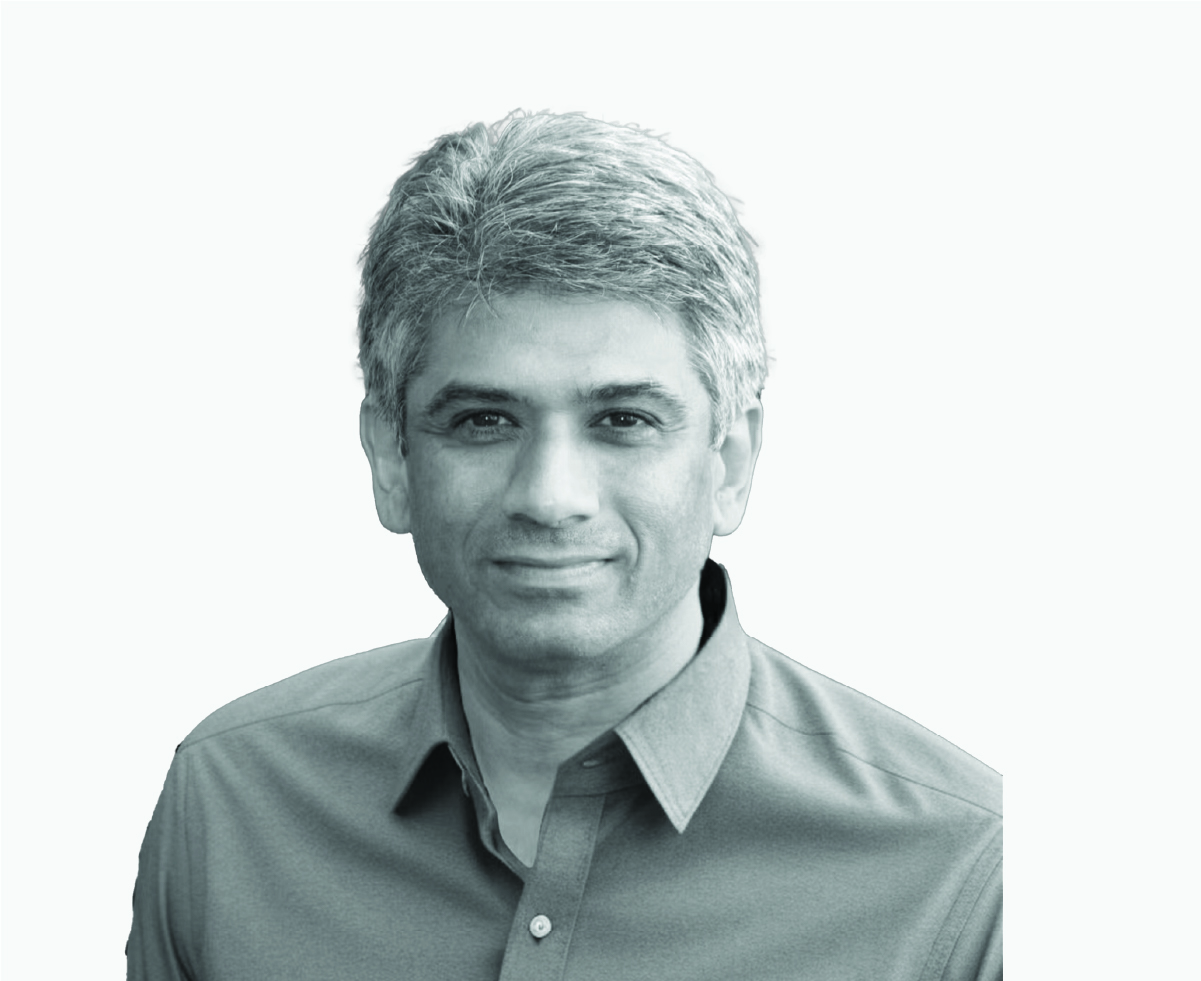
Dr. Habib Hasan Farooqui is a faculty member at the College of Medicine, Qatar University. He previously served as Additional Professor of Health Economics at the Public Health Foundation of India (2008–2025), Post-Doctoral Fellow at the London School of Hygiene and Tropical Medicine (2013–2014), and Surveillance Medical Officer at the World Health Organization (2007–2008).
He holds a Doctor of Medicine degree from the Institute of Medical Sciences, Banaras Hindu University (2007), and a PhD from Maastricht University (2025). He has received formal training in Econometrics from the London School of Economics, Mathematical Modelling of Infectious Diseases from Imperial College London, and Pedagogy from Boston University.
Dr. Farooqui has served as a technical expert on several prestigious international advisory bodies, including the WHO Immunization and Vaccines-related Implementation Research Advisory Committee (IVIR-AC), the WHO Advisory Group on the Research and Development of Antibacterial Treatments, the Royal Institute of International Affairs (Chatham House, UK), and the Board of Immunization Economics (USA). He has also provided technical advice to WHO-SEARO, WHO India, WHO Maldives, the Ministry of Health and Family Welfare (India and Maldives), and the Competition Commission of India.
His research and teaching focus on infectious disease epidemiology and the economics of vaccine-preventable diseases. He has generated the first state-specific estimates of pneumonia-related mortality and morbidity in India, which informed the introduction of the Pneumococcal Conjugate Vaccine (PCV). He has also reported the first national estimates on antibiotic prescription and consumption in India and evaluated the impact of key health policies, including Mission Indradhanush, Schedule H1, and Drug Price Control Orders.
Dr. Farooqui has supervised over 30 master’s-level students, published more than 100 peer-reviewed articles and book chapters, and served as an editor and reviewer for leading international journals.